
Across many parts of North India, tap and groundwater often contain Total Dissolved Solids (TDS) ranging from 220 to over 1,000 mg/L – levels that can exceed what is considered ideal for safe daily drinking.
Rapid urbanization, groundwater depletion, agricultural runoff, and ageing water infrastructure have made water quality a growing concern for households in both cities and semi-urban areas.
High-TDS water may appear clean, but it frequently carries excess minerals, dissolved salts, heavy metals, and chemical impurities. Regular consumption of such water can lead to digestive issues, kidney strain, joint discomfort, dry skin, and an unpleasant taste, making it harder for families to maintain proper hydration – especially during hot North Indian summers.
This is why many households now actively search for a reliable water purifier buying guide, solutions for high TDS water, and clear answers on whether RO water purifiers are necessary.
Choosing the right purifier is not just about brand or price – it depends on local water conditions, TDS level, source water quality, and daily usage needs.
By the end of this guide, you’ll be able to choose a safe, efficient, and cost-effective water purifier suited for high-TDS water commonly found across North India.
Also read: Hard Water Problems in India & Why Homvel RO Is the Best Solution for High-TDS Areas
Table of Contents
What is TDS and Why Does North India Have a High TDS Problem?
TDS (Total Dissolved Solids) refers to the total amount of dissolved substances present in water. These include calcium, magnesium, sodium, potassium, chlorides, sulfates, bicarbonates, and in some cases, heavy metals like lead or arsenic.
TDS is measured in milligrams per liter (mg/L) and is one of the most important indicators of drinking water quality. While some dissolved minerals are naturally occurring and even beneficial in small amounts, excessively high TDS alters water taste, affects digestion, and places long-term stress on the body.
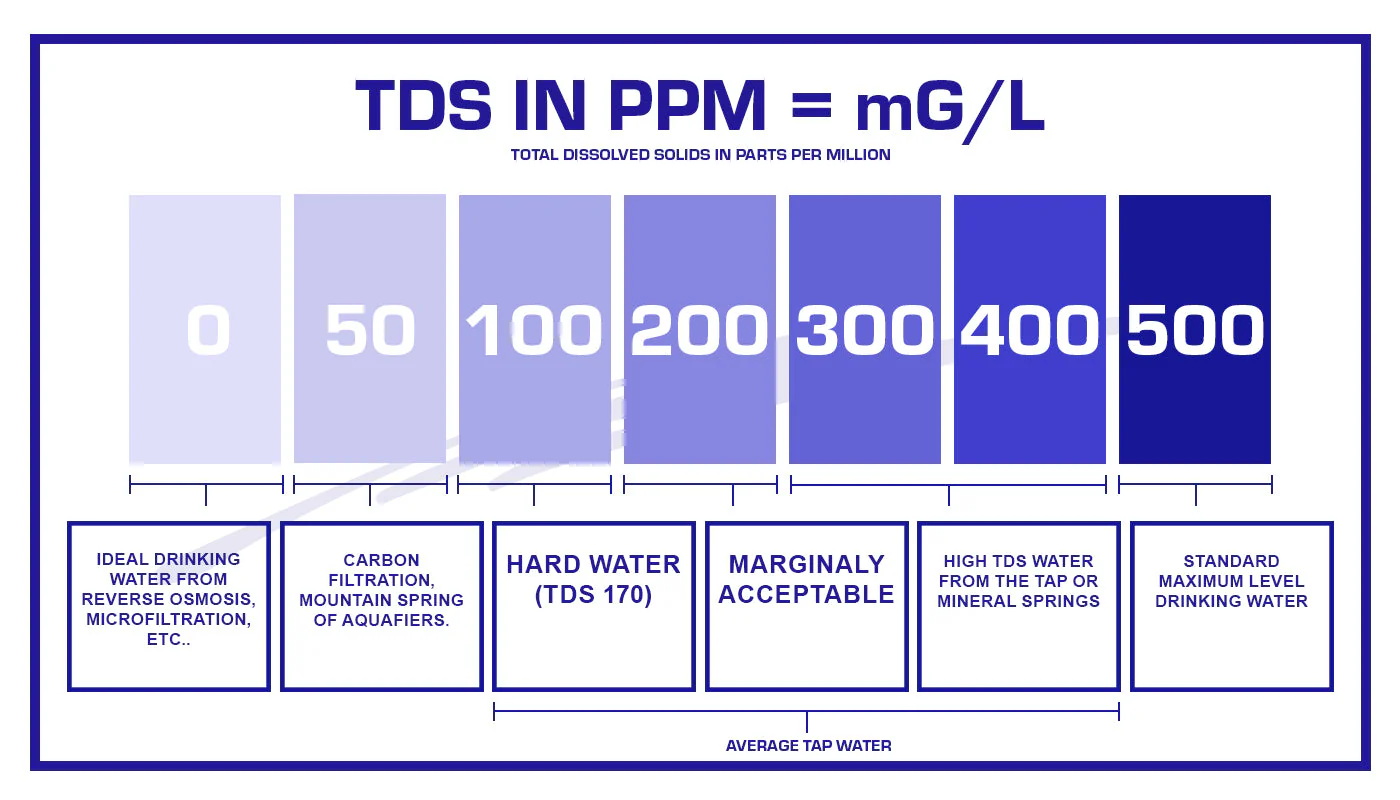
According to commonly accepted guidelines, drinking water with TDS below 300 mg/L is ideal, while levels above 500 mg/L may require advanced purification – especially if the source is groundwater.
North India’s Water Quality Challenge
Large parts of North India rely heavily on groundwater, which passes through mineral-rich soil layers before reaching borewells and hand pumps. This process significantly increases TDS levels. Factors such as:
- Over-extraction of groundwater
- Agricultural runoff
- Industrial discharge
- Declining water tables
have further worsened water quality across many regions.
As a result, households in North India frequently encounter TDS levels ranging from 400 to 1,000+ mg/L, making basic filtration systems insufficient. This is why searches related to “high TDS water solutions” and “RO water purifier buying guide” are increasingly common in these areas.
⚠️ Health Risks of High TDS Water
Consuming high-TDS drinking water over long periods can negatively affect health, especially when harmful contaminants are present. Common risks include:
- Digestive issues such as bloating and stomach discomfort
- Kidney stress caused by excess mineral load
- Joint pain linked to high calcium and magnesium levels
- Dry skin and hair problems due to mineral imbalance
- Poor taste and odor, which reduces daily water intake
Children, elderly individuals, and people with kidney-related conditions are particularly vulnerable to the effects of high-TDS water.
TDS Scale Chart
| TDS Level (mg/L) | Water Quality | Health & Usage Recommendation |
|---|---|---|
| 0 – 50 | Distilled / Demineralized | Lacks essential minerals; not ideal for long-term drinking |
| 50 – 150 | Excellent | Ideal for daily drinking; balanced mineral content |
| 150 – 300 | Good | Safe for consumption; mild mineral taste may be present |
| 300 – 500 | Acceptable | Usable with basic filtration; taste may be noticeable |
| 500 – 1,000 | Poor | Not recommended without RO purification |
| 1,000+ | Unsafe | Advanced RO system essential for safe drinking |
How to Test Your Drinking Water Quality
Before choosing any water purifier, the most important step is testing your water. Many homes across North India install purifiers based on assumptions, which often leads to wrong technology, unnecessary expenses, or unsafe drinking water. Testing helps you choose the right solution—not the most expensive one.

| TDS Level (mg/L) | What It Means | Recommended Action |
|---|---|---|
| Below 150 | Very low mineral content | Consider mineral enhancement or remineralization |
| 150 – 300 | Ideal for drinking | No purification required; basic filtration is sufficient |
| 300 – 500 | Moderately high TDS | Purification recommended for better taste and safety |
| 500 – 1,000 | High TDS water | RO water purifier strongly advised |
| Above 1,000 | Unsafe for direct consumption | Advanced RO treatment is essential |
⚠️ Important: TDS meters measure the quantity of dissolved solids, not their quality. Harmful contaminants such as heavy metals, pesticides, or bacteria can still be present even at moderate TDS levels.
Step-by-Step DIY Water Testing Using a TDS Meter
-
Step 1: Collect a Water Sample
Take a clean glass and fill it with tap or borewell water. Avoid using RO or filtered water for testing, as it will not reflect your actual source water quality.
-
Step 2: Turn On the TDS Meter
Switch on the digital TDS meter using the power button. Ensure the device is dry and clean before placing it in the water.
-
Step 3: Immerse the Probe
Dip the metal probe into the water up to the marked level. Do not submerge the entire meter, as this may damage the device.
-
Step 4: Wait for the Reading to Stabilize
Hold the meter steady for 5–10 seconds until the display stabilizes. The reading will appear in mg/L or ppm.
-
Step 5: Record the Result
Repeat the test 2–3 times for accuracy and note the average TDS value. This helps you choose the correct water purification technology.
Also read: Why Real-Time TDS Monitoring Matters: A Feature Every RO Should Have
How to Understand Your TDS Results
| TDS Level (mg/L) | What It Means | Recommended Action |
|---|---|---|
| Below 150 | Very low mineral content | Consider mineral enhancement or remineralization |
| 150 – 300 | Ideal for drinking | No purification required; basic filtration is sufficient |
| 300 – 500 | Moderately high TDS | Purification recommended for better taste and safety |
| 500 – 1,000 | High TDS water | RO water purifier strongly advised |
| Above 1,000 | Unsafe for direct consumption | Advanced RO treatment is essential |
Important: TDS meters measure the quantity of dissolved solids, not their quality. Harmful contaminants such as heavy metals, pesticides, or bacteria can still be present even at moderate TDS levels.
When to Choose Professional Water Testing
⚠️ When to Choose Professional Water Testing
Professional water testing is strongly recommended if:
- Your water smells unusual, tastes metallic, or causes frequent stomach issues
- You rely on borewell or tanker water for daily consumption
- There is a known history of industrial or agricultural contamination in nearby areas
- You need detailed analysis of heavy metals, bacteria, fluoride, iron, or nitrates
Certified testing laboratories provide comprehensive water reports that help you accurately select the right RO capacity, filtration stages, and mineral balance for safe long-term drinking water.
Water Purifier Technology Comparison – Which One Actually Works for High TDS Water?
Choosing the right water purifier technology is more important than choosing a brand. Many households end up buying the wrong purifier simply because they don’t understand what RO, UV, and UF actually do – and more importantly, what they cannot do.
This section breaks down each technology clearly, so you can match it to high-TDS water conditions commonly found across North India.
1. RO (Reverse Osmosis) – Best Solution for High TDS Water
Reverse Osmosis (RO) is the most effective purification technology for areas with high TDS levels (above 300 mg/L). It works by forcing water through a semi-permeable membrane that removes up to 95–99% of dissolved impurities.
What RO removes:
- Excess TDS
- Heavy metals (lead, arsenic, mercury)
- Fluoride and nitrates
- Dissolved salts and chemicals
- Bad taste and odor
Why RO is essential in North India:
Groundwater in many North Indian regions naturally contains high mineral content, industrial residues, and agricultural contaminants. Only RO can physically remove dissolved solids, which UV and UF technologies cannot.
Limitations of RO:
- Wastes some water during purification
- Removes both harmful and beneficial minerals (which is why mineral cartridges are important)
Verdict: If your water TDS is high, RO is non-negotiable.
2. UV (Ultraviolet) – Effective Only Against Microbes
UV purification uses ultraviolet light to kill bacteria, viruses, and microorganisms present in water. It does not remove any physical or chemical impurities.
What UV does well:
- Destroys harmful microbes
- Prevents waterborne diseases
- Maintains natural taste of water
What UV cannot do:
- Does NOT reduce TDS
- Does NOT remove heavy metals, fluoride, or chemicals
- Does NOT remove sediment or turbidity
When UV works best:
UV is suitable only when the water source is municipal or already low in TDS but may have microbial contamination due to storage or pipeline issues.
Verdict: UV alone is not suitable for high TDS groundwater.
3. UF (Ultrafiltration) – Only for Visible Impurities
UF technology works through a hollow fiber membrane that filters out suspended particles and sediments.
What UF removes:
- Dirt and sand
- Rust and silt
- Some bacteria (limited)
What UF cannot do:
- Does NOT remove dissolved salts
- Does NOT reduce TDS
- Does NOT remove chemicals or heavy metals
Common misconception:
Many people believe UF is a “non-electric RO alternative,” but this is misleading. UF cannot handle dissolved impurities, which are the main problem in high-TDS water.
Verdict: UF alone is suitable only for low-TDS surface water, not groundwater.
4. RO + UV + UF Combination – Best Overall Protection for North India
For most households dealing with high TDS, microbial risks, and sediment, the RO + UV + UF combination offers the most comprehensive protection.
Why this combination works best:
- RO removes dissolved solids, heavy metals, and chemicals
- UV disinfects water by killing bacteria and viruses
- UF filters out fine particles and improves clarity
This multi-stage purification ensures that all major categories of contaminants—physical, chemical, and biological—are addressed.
Verdict: For high-TDS water common across North India, RO + UV + UF is the safest and most future-proof choice.
Water Purifier Technology Comparison
| Technology | Removes High TDS | Removes Microbes | Removes Sediment | Suitable for High-TDS Water |
|---|---|---|---|---|
| RO | ✅ Yes | ❌ No (alone) | ❌ No | ✅ Yes |
| UV | ❌ No | ✅ Yes | ❌ No | ❌ No |
| UF | ❌ No | ⚠️ Limited | ✅ Yes | ❌ No |
| RO + UV + UF | ✅ Yes | ✅ Yes | ✅ Yes | ✅ Best Option |
If your water source has high TDS, choosing anything other than RO-based purification is a compromise on safety. For long-term health, better taste, and complete purification, RO + UV + UF systems deliver the most reliable results.
Digital TDS Controller – Why It Matters More Than You Think
A Digital TDS Controller is one of the most overlooked yet most critical components in a modern RO water purifier – especially in regions with fluctuating or high TDS water, common across much of North India.
At its core, a TDS controller regulates how much mineral content is retained or removed after RO purification.
While RO membranes are excellent at removing harmful contaminants, they also strip away essential minerals. A TDS controller ensures that the final drinking water is safe, balanced, and palatable, rather than over-purified.
Manual vs Digital TDS Controller: What’s the Difference?
| Feature | Manual TDS Controller | Digital TDS Controller | ||||||||||||||||||||||||||||||||||||||||||||||||||||||||||||||||||||||||||||||||||||||||||
|---|---|---|---|---|---|---|---|---|---|---|---|---|---|---|---|---|---|---|---|---|---|---|---|---|---|---|---|---|---|---|---|---|---|---|---|---|---|---|---|---|---|---|---|---|---|---|---|---|---|---|---|---|---|---|---|---|---|---|---|---|---|---|---|---|---|---|---|---|---|---|---|---|---|---|---|---|---|---|---|---|---|---|---|---|---|---|---|---|---|---|---|---|
| Adjustment Method | Requires physical adjustment using a knob or screw | Automatically adjusts mineral retention digitally | ||||||||||||||||||||||||||||||||||||||||||||||||||||||||||||||||||||||||||||||||||||||||||
| Response to TDS Fluctuations | Settings remain fixed even if input water TDS changes | Adjusts dynamically based on input water quality | ||||||||||||||||||||||||||||||||||||||||||||||||||||||||||||||||||||||||||||||||||||||||||
| Accuracy & Control |
Accuracy depends on technician setupThe Intellplus Digital AdvantageUnlike conventional systems, Intellplus digital RO purifiers use an intelligent digital TDS controller that continuously analyzes incoming and purified water. Key advantages include:
This digital approach ensures that water quality remains stable, safe, and customized, regardless of fluctuations in source water TDS. Real-Time Monitoring: A Practical Daily BenefitOne of the biggest benefits of a digital TDS controller is real-time monitoring. Instead of guessing whether your purifier is working correctly, the system actively manages output quality every time you draw water. Real-world benefits:
In a high-TDS environment, a digital TDS controller isn’t a luxury – it’s a necessity. It bridges the gap between advanced purification and healthy mineral retention, making it a key decision factor when choosing a water purifier. Key Features to Look for in a Water PurifierChoosing the right water purifier isn’t just about RO or UV technology. For households across North India, water quality challenges like high TDS, frequent power cuts, and mineral imbalance make certain features far more important than others. Below are the key features you should prioritize before making a purchase. 🔋 Storage Tank Capacity (8–10 Litres Is Ideal)Many parts of North India face frequent power cuts, especially during summers and monsoons. Since RO water purifiers require electricity, a larger storage tank becomes essential.
👉 Smaller tanks may save money initially, but often fail when you need water the most. 💧 Water Recovery Rate (60% = Better Water Savings)Traditional RO systems waste a large amount of water. In high-TDS regions, choosing a purifier with an optimized water recovery rate is crucial. A 60% or higher recovery rate means:
🔍 Want accurate readings? Read our guide on Digital TDS Controller vs Manual Adjustment . 🧪 Multi-Mineral Fortification (Copper + Zinc + Alkaline)While RO purification removes harmful contaminants, it also strips essential natural minerals from water. Advanced purifiers restore health-supporting minerals such as:
📖 Learn more in our detailed guide: Copper + Zinc + Alkaline Water Benefits . 🛡️ 24-Hour UV Tank Protection (Often Ignored, Extremely Important)Even after purification, stored water can develop bacterial growth inside the tank, especially in warm North Indian climates. Premium systems like :contentReference[oaicite:0]{index=0} offer 24-hour UV protection inside the storage tank, which:
🔎 View detailed specs here: Intellplus Product Specifications Page . 🛠️ Warranty & Service Support (Long-Term Peace of Mind)A water purifier is a long-term investment. Before buying, always check:
⚠️ Even the best purifier becomes a problem if service support is poor. Budget & Cost BreakdownWhen you buy a water purifier for high-TDS North Indian water, think beyond the sticker price. Total ownership cost = initial purchase + annual maintenance (AMCs / consumables) + occasional part replacements (membrane / UV lamp). Below is a realistic budget roadmap and a 5-year cost comparison across Intellplus, Kent, Aquaguard and AO Smith. Initial purchase – price tiers (typical India market ranges)
5-Year Total Cost of Ownership – Worked ExampleTo understand the true cost of a water purifier, it’s important to look beyond the upfront price. Below is a realistic 5-year cost comparison based on typical purchase prices, annual maintenance contracts (AMC), and one RO membrane replacement. Assumptions (Representative Models)
Additional assumption: One RO membrane replacement during 5 years (approximately ₹1,800 for all brands). 5-Year Cost Calculation
These figures show why upfront price alone can be misleading. Even a lower-cost purifier can end up with a similar or higher total ownership cost once AMC charges and replacement parts are included. Note: Costs are indicative. AMC pricing and service charges may vary by model and region. Why Intellplus Is Built for North India’s Water ChallengesChoosing a water purifier for North India isn’t just about RO filtration – it’s about precision control, mineral balance, and continuous protection. This is where Intellplus water purifiers stand apart from conventional models by addressing the real problems of high-TDS groundwater rather than offering one-size-fits-all purification. 1. Digital TDS Controller: Smarter Water, Not Just Filtered WaterMost standard RO purifiers remove 90–95% of dissolved solids, regardless of whether your input TDS is 300 or 1,000 mg/L. This often results in over-purified, flat-tasting water. Intellplus solves this with a Digital TDS Controller, which:
This makes it especially effective for North Indian regions where groundwater TDS fluctuates seasonally. You get consistent, balanced drinking water instead of blindly purified RO water. 2. Multi-Mineral Fortification: Rebuilding What RO RemovesRO purification is necessary for high TDS – but it also removes beneficial minerals like calcium, magnesium, copper, and zinc. Intellplus integrates multi-mineral fortification, ensuring:
Unlike basic “mineral cartridges,” Intellplus focuses on controlled mineral dosing, preventing both deficiency and excess – an important factor for households consuming RO water daily. 3. 24-Hour UV Protection: Safety Even After PurificationA common weakness in many purifiers is post-storage contamination. Once water is stored in the tank, bacterial growth can occur – especially in warm climates. Intellplus addresses this with 24-hour UV protection, which:
This feature is particularly valuable in North India’s hot climate, where stagnant water can quickly become unsafe. 4. Designed for Real North Indian Water ConditionsIntellplus purifiers are engineered for:
Rather than lab-only specifications, the system is built for daily household stress conditions found across North India. Value Comparison: Intellplus vs Conventional RO Water Purifiers
Insight: Intellplus focuses on controlled purification, mineral balance, and continuous protection—making it better suited for high-TDS water condit Water Purifier Buying Checklist1. Test Water TDSHave you tested input water TDS?
Below 300 mg/L → RO may not be required Buying without testing often leads to over- or under-purification. 2. Purification TechnologyMatch purifier to water source (borewell, tanker, mixed).
High TDS water requires: UF alone is not sufficient. 3. TDS Control / MineralsDoes it retain essential minerals?
Fixed RO systems may strip all minerals, causing: 4. Storage CapacityChoose tank size by family:
1–2 members → 6–8 L Important during power cuts. 5. Post-Storage SafetyDoes it protect stored water? Features like 24-hour UV protection prevent bacterial regrowth. Critical in warm climates. 6. Service & SparesCheck availability of:
• Filters Poor service increases downtime and cost. 7. Warranty & CostVerify:
• Warranty period Always calculate 5-year ownership cost, not just price. Top 10 Digital TDS Display RO Water Purifiers
ConclusionAcross much of North India, high-TDS groundwater has quietly become a daily health risk. Water that looks clear can still contain excess salts, dissolved metals, and chemical impurities that affect digestion, kidneys, skin health, and long-term wellbeing. As we’ve seen throughout this guide, relying on basic filtration or UV systems alone is often not enough for high-TDS water conditions. The solution lies in choosing a water purifier designed specifically for high TDS, with RO purification, accurate TDS control, and essential mineral balancing – not generic, one-size-fits-all models. When selected correctly, a good RO system removes harmful contaminants while retaining water quality suitable for daily drinking. This is where Intellplus stands out. With high-recovery RO technology, digital TDS control, advanced filtration, and region-specific configurations, Intellplus purifiers are designed specifically for challenging North Indian water conditions – delivering safe, great-tasting water without unnecessary water waste. Frequently Asked Questions1. What TDS level is considered unsafe for drinking water?
Water with TDS above 300 mg/L begins to affect taste, while levels exceeding 500 mg/L may cause long-term health issues if consumed regularly. In many North Indian regions, groundwater TDS often crosses these limits, making purification essential. 2. Is RO water purifier necessary for high TDS water?
Yes. RO (Reverse Osmosis) is the only household purification technology capable of removing dissolved salts, heavy metals, and excess minerals from high-TDS water. UV and UF purifiers alone are ineffective when TDS levels are high. 3. Can high TDS water cause health problems?
Long-term consumption of high-TDS water may contribute to kidney stones, digestive discomfort, joint pain, dehydration, and poor nutrient absorption—especially in children and elderly individuals. 4. Does RO remove all minerals from water?
RO removes both harmful and beneficial minerals. That’s why modern systems, such as Intellplus water purifiers, include mineral, copper, zinc, or alkaline cartridges to restore essential nutrients after purification. 5. Is RO water safe for daily consumption?
Yes. When paired with proper mineral restoration, RO water is safe, balanced, and often healthier than untreated groundwater or tanker water. 6. How do I know my home’s water TDS level?
You can measure it using a digital TDS meter or by getting your water tested locally. Many advanced water purifiers also include digital TDS displays showing real-time inlet and outlet water quality. 7. Does RO waste a lot of water?
Older RO systems wasted more water. Newer models use water-saving technology that significantly reduces wastage while maintaining high purification efficiency. 8. How often does an RO purifier need servicing?
Most RO systems require filter replacement every 6–12 months, depending on water quality and usage. Choosing a purifier with reliable service support ensures long-term performance. 9. Is boiled water safer than RO-purified water?
Boiling kills bacteria but does not remove TDS, heavy metals, or chemical contaminants. For high-TDS groundwater, RO purification is far more effective than boiling. 10. What makes Intellplus water purifiers suitable for North Indian water?
Intellplus water purifiers are designed for high-TDS groundwater and feature high-rejection RO membranes, multi-stage filtration, digital TDS control, and mineral enhancement—making them ideal for North Indian water conditions. |